
Diseases and Conditions: Understanding, Preventing, and Treating
Diseases and health conditions represent one of the greatest challenges of modern medicine, impacting millions of people at different stages of life. They range from acute illnesses, which appear suddenly and require immediate intervention, to chronic conditions, which accompany individuals for long periods and demand continuous care. Understanding their causes, symptoms, and treatment options is essential not only for healthcare professionals but also for patients and families seeking quality of life and well-being.
What are diseases and conditions?
- Acute diseases: characterized by rapid onset and short duration, such as respiratory or gastrointestinal infections.
- Chronic diseases: persist for months or years, such as diabetes, hypertension, and cardiovascular diseases.
- Genetic conditions: result from hereditary DNA changes, such as cystic fibrosis or sickle cell anemia.
- Environmental and occupational conditions: related to exposure to external agents, such as pollution, chemicals, or lifestyle habits.
Main causes
- Genetic factors: hereditary predisposition to certain diseases.
- Lifestyle: poor diet, sedentary behavior, smoking, and excessive alcohol consumption.
- Environment: pollution, exposure to infectious agents, and unhealthy working conditions.
- Aging: increased vulnerability to degenerative and chronic diseases.
Symptoms and diagnosis
Each condition presents specific signs, but it is crucial to pay attention to persistent changes in the body, such as:
- Recurring or unexplained pain
- Excessive fatigue
- Changes in appetite or weight
- Prolonged fever
- Respiratory or cardiovascular difficulties
Early diagnosis, carried out through clinical and laboratory tests, is decisive for successful treatment and prevention of complications.
Treatments and approaches
- Medications: control symptoms and fight causative agents.
- Non-pharmacological therapies: physiotherapy, psychotherapy, and lifestyle changes.
- Surgeries: indicated in specific cases for correction or removal of problems.
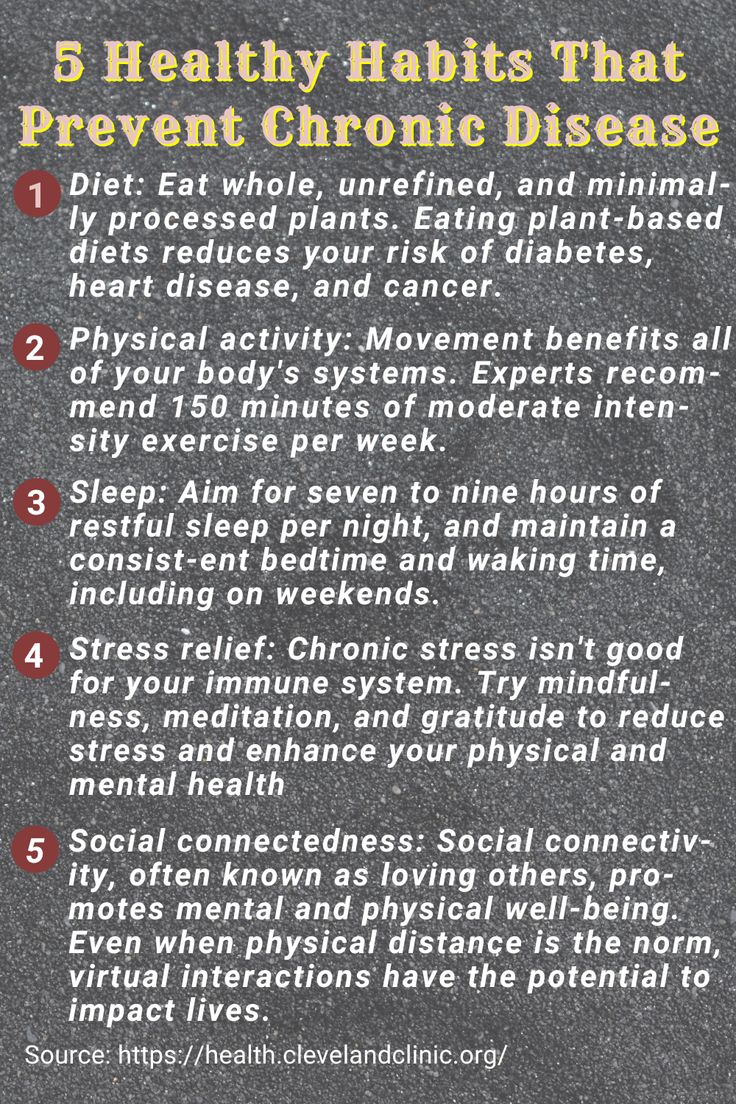
- Prevention: vaccination, balanced diet, regular exercise, and periodic medical check-ups.
Importance of awareness
Information is a powerful tool for prevention. Knowing the most common diseases and conditions, their risk factors, and treatment options allows individuals to adopt healthier habits and seek medical help at the right time. Moreover, it promotes a society better prepared to deal with public health challenges, such as epidemics and the rise of chronic diseases.