

Introduction
The lionfish, also known as the dragonfish, is one of the most intriguing and visually stunning marine species.
With its vibrant colors and venomous spines, it not only captures the attention of divers and marine enthusiasts, but also plays a significant role in the ecosystems it inhabits. In this article, we will explore what this animal is, its origin, diet, benefits to nature and humans, and whether it is protected by environmental control organizations.
.
What is
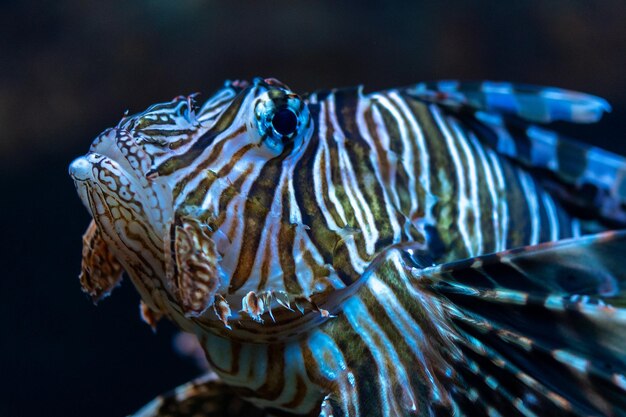
This species of fish belongs to the family Scorpaenidae and the genus Pterois. There are several species of this fish, with the most well-known being Pterois volitans and Pterois miles
.
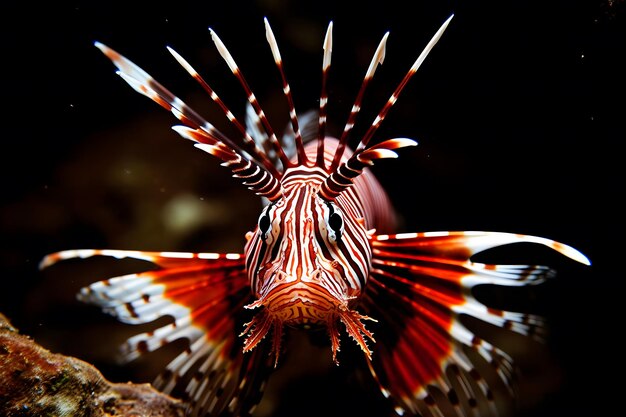
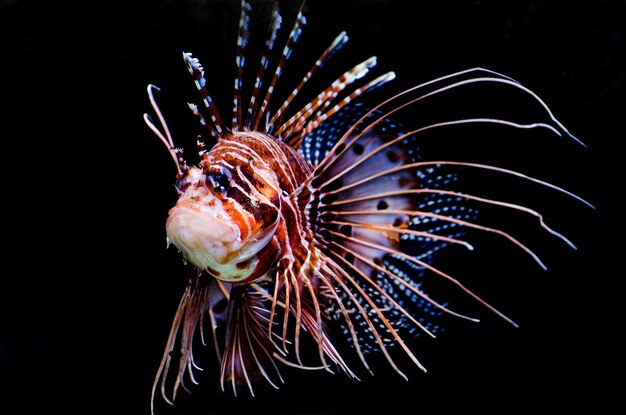
They are easily recognizable by their long pectoral and dorsal fins, which are covered in venomous spines. These spines serve as an effective defense against predators, releasing a toxin that can cause intense pain, swelling, and, in rare cases, more severe complications in humans.
Where is the Lionfish From?
The fish is native to the Indo-Pacific region, including the Red Sea, the eastern coast of Africa, and as far as Japan and Australia.
However, in recent decades, it has become an invasive species in the Atlantic Ocean, particularly in the waters of the Caribbean and the eastern coast of the United States. It is believed that the introduction of fish to these areas occurred due to the accidental or intentional release of aquarium individuals.
What Do They it Eat?
The lionfish is a voracious and opportunistic predator. Its diet consists mainly of small fish, crustaceans, and mollusks.
It uses its pectoral fins to corner its prey against coral reefs or other underwater structures, making capture easier. The lionfish’s ability to consume a wide variety of prey and its high reproductive rate contribute to its success as an invasive species.
Benefits Of This Animal to Nature
Although the fish is often seen as a threat due to its invasive status, it also plays an important role in its native habitat.
In the coral reefs of the Indo-Pacific, the lionfish helps control populations of small fish and invertebrates, contributing to ecological balance. Additionally, its presence can indicate the overall health of the ecosystem, as it prefers habitats rich in biodiversity.
Benefits of this Especies for Humans
Despite its venom, the lionfish can be consumed by humans. In fact, it is considered a delicacy in various cultures. The meat of the lionfish is white, firm, and flavorful, similar to other reef fish. Consuming lionfish not only provides a new source of protein but also helps control its invasive populations, reducing its negative impact on Atlantic ecosystems.
Protection and Control
Currently, this fish is not a species protected by environmental control organizations like Greenpeace. On the contrary, in many regions where it is considered invasive, significant efforts are made to control its populations.
Removal programs and awareness campaigns encourage fishermen and divers to capture and consume lionfish. These initiatives aim to mitigate the ecological damage caused by the species and promote the sustainability of coral reefs.
Conclusion
This fish is a fascinating species that plays a complex role in marine ecosystems.
While it is a threat as an invasive species, it also offers benefits to both nature and humans. Understanding the lionfish and its impacts is crucial for developing effective management and conservation strategies.
By promoting the sustainable consumption of lionfish, we can help protect our precious coral reefs and maintain ecological balance.
Attention: Do Not Consume This Species Of Animal
Consuming lionfish can have serious ecological consequences. Despite its appeal as an exotic delicacy, eating lionfish contributes to the decline of native fish populations and disrupts marine ecosystems. If you encounter lionfish being served in any restaurant, whether domestically or internationally, please take action:
Do Not Consume: Avoid ordering or eating lionfish to help protect marine biodiversity.
Report: Inform local authorities and environmental organizations about the sale of lionfish. This can help initiate investigations and prevent further harm.
Raise Awareness: Contact local media to highlight the issue and educate others about the ecological impact of consuming lionfish.